

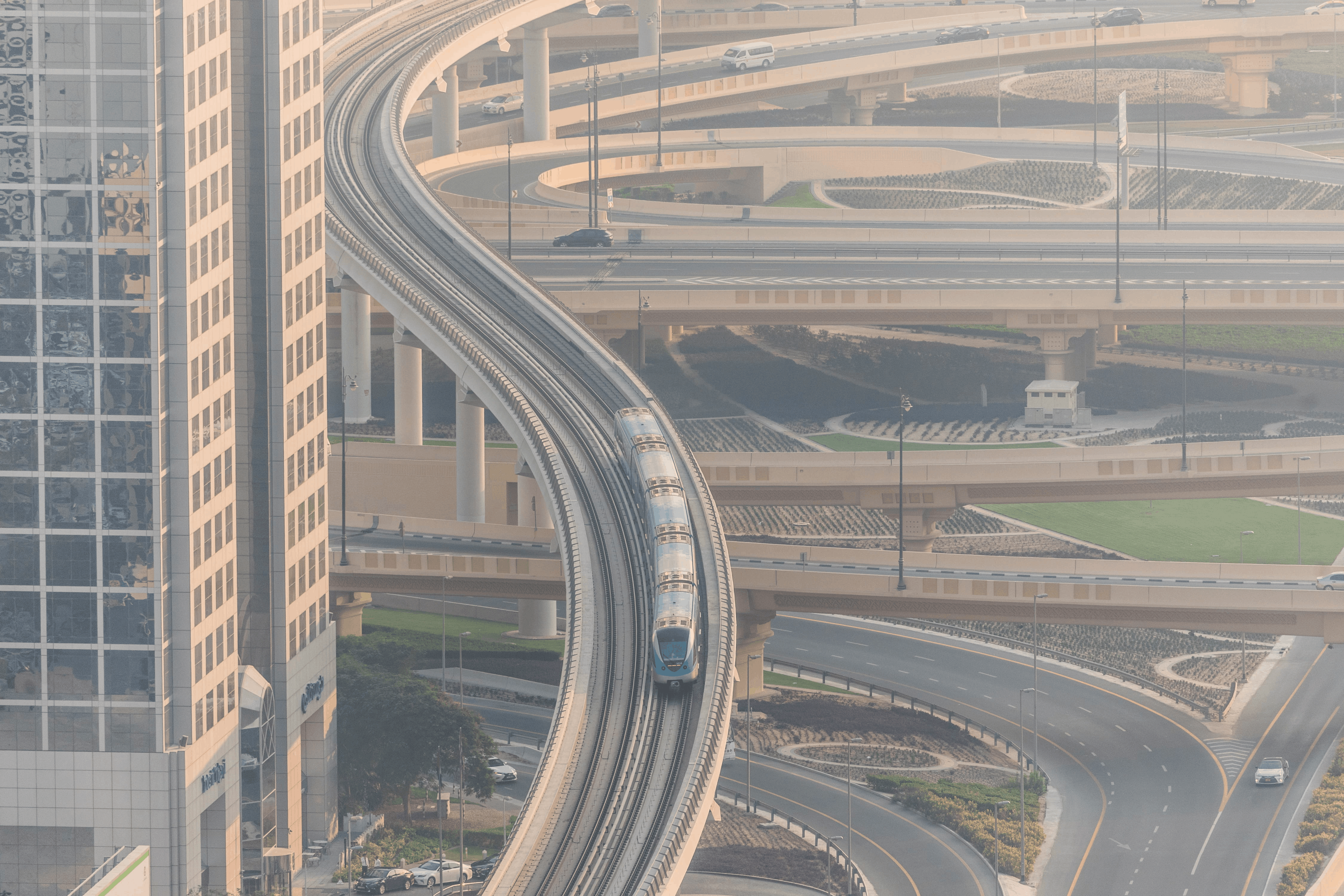
Delhi Varanasi High Speed Rail Corridor
Table of Contents
- Loading contents...
Project at a Glance | |
Project Name | Delhi Varanasi High Speed Rail (DVHSR) Corridor |
Project Type | Greenfield |
Project Sector | Infrastructure |
Project Sub-sector | Railway infrastructure |
Project Status | Pre-construction |
Project Developer | National High Speed Rail Corporation Limited |
Project Cost | INR 1.21 Lakh Crore (approximately USD 1.41 billion) |
Starting Point | Hazrat Nizamuddin Station in Delhi |
Ending Point | Manduadih station in Varanasi |
Length | 865 km |
Spur Line | 135 km |
Project Overview
Delhi Varanasi High Speed Rail (DVHSR) Corridor is one of the largest upcoming high-speed railway line projects in India developed by the National High Speed Rail Corporation Limited (NHSRCL). During the Budget 2026-27, the government confirmed that the travel time between Delhi and Varanasi will be reduced to 3 hours and 50 minutes upon its completion.
The 865 km-long route starts at Hazrat Nizamuddin station in Delhi and ends at Manduadih station in Varanasi. It will connect the National Capital of India to Varanasi, Uttar Pradesh, covering 12 stations along the route.
It is designed to integrate with the Diamond Quadrilateral network, aiming to boost high-speed connectivity across major urban & regional centers in northern India. Furthermore, the integration will optimize land use and reduce acquisition-related challenges.
Project Background
The Delhi Varanasi High Speed Rail Corridor is one of the proposed high-speed railways under the National High Speed Rail Vision, after the Mumbai Ahmedabad. Under the supervision of the Railway Ministry, the National High Speed Rail Corporation Limited (NHSRCL) prepared a Detailed Project Report (DPR) in December 2019.
An organisation comprising INECO, TYPSA, and ICT, involved in the preparation of the feasibility studies in December 2017. The initial DPR was submitted to the Ministry of Railway on 29 October 2020, confirming the length of the expressway, along with spurs and stations.
In February 2020, the National High Speed Rail Corporation (NHSRCL) invited bids for preparing the line’s final alignment design, using LiDAR surveys, and for preparing Stage-1 preliminary route development artefacts.
The initial contracts for the alignment design, topographic surveys, and data collection for DPR finalization were awarded by the NHSRCL in August 2020. In March 2020, NHSRCL invited bids for environmental impact assessments (EIAs) & social impact assessments (SIAs), as well as utility identification along its proposed route.
LiDAR and topographic surveys started in January 2021, alongside proposals for an Ayodhya spur. DPR refinements addressed ridership, land acquisition, environmental impact, and social assessments by November 2021.
Delhi Varanasi High-Speed Rail Corridor Status
As of October 2025, the Delhi–Varanasi high-speed rail corridor project remains in the planning and pre-construction phase, with the National High Speed Rail Corporation Limited (NHSRCL) actively preparing the Detailed Project Report (DPR) to assess technical, financial, and environmental viability.
Delhi Varanasi High-Speed Rail Corridor Route
The DVHSR project is a 865 km high-speed railway line connecting the National Capital, Delhi, to the pilgrimage city, Varanasi, Uttar Pradesh. Covering nearly 12 stations in total, the railway line features a 135 km spur line to Ayodhya via Lucknow.
It starts from Hazrat Nizamuddin Station in Delhi and ends at the Manduadih Station in Varanasi. Along the route, it passes through some major stations, including Noida Sector 146, Jewar Airport, Mathura, Agra, Etawah, Kannauj, Lucknow, Raebareli, Pratapgarh, Prayagraj, and Bhadohi.
The spur line stretching from Lucknow to Ayodhya aims to improve connectivity to Ayodhya, a religious and tourism hub, by integrating at Lucknow. It is designed to support high-speed operations, reducing travel time from Delhi to Ayodhya to three hours.
40+ reviews
Find the Latest Rail Infrastructure Projects Around the World
Gain exclusive access to our industry-leading database of infrastructure opportunities with detailed project timelines and stakeholder information.
Collect Your Free Leads Here!
No credit cardUp-to-date coverage
Joined by 750+ industry professionals last month
Delhi Varanasi High-Speed Rail Corridor Project Cost
The total estimated cost for the construction of the Delhi Varanasi high-Speed Rail Corridor is INR 1.21 Lakh Crore (approximately USD 1.41 billion). It includes the construction of a 865 km-long railway line and a 135 km spur to Ayodhya and Lucknow.
Project Timeline
Year | Event |
2026 | Announcement in the Union Budget 2026-27 |
29 October 2020 | The initial DPR was submitted to the Ministry of Railway |
August 2020 | Survey & DPR preparation contracts awarded |
February 2020 | Bids invited for alignment design and LiDAR surveys |
2019 | The government tasks the NHSRCL with a Detailed Project Report (DPR) |
2017 | Feasibility report prepared by INECO, TYPSA, & ICT. |
Project Scope
The project scope of the DVHSR project is as follows:
Bullet Train Speed: The maximum speed of the railway corridor is 350 km/hr, Operational speed is 320 km/hr, and the average speed is 250 km/hr.
Technical specification: It comprises a standard gauge of 1435 mm, 25 kV AC overhead traction, DS-ATC signaling, earthquake detection (UrEDAS), and a train capacity of 750 passengers.
Track Type: Primarily elevated, with sections underground and at-grade; fully grade-separated for high-speed operations.
Infrastructure: It comprises viaducts, tunnels (if needed), bridges, depots, traction substations, advanced signaling, and rolling stock compatible with high-speed standards.
Integration Features: Seamless connectivity with Noida International Airport (Jewar), Varanasi Airport, and existing metro/rail networks. It will later extend to Patna or Siliguri.
Delhi Varanasi High-Speed Rail Corridor Contractors
Contractors | Role |
Ceinsys Tech Ltd. | Data Collection and Associated Survey Work for DPR |
Aarvee Associates Architects, Engineers, and Consultants – GSL Associates JV | Final Alignment Design, including Aerial LiDAR Survey and Other Related Works |
Benefits
The following are the benefits of the project:
Economic benefits: The project creates multiple jobs during construction, manufacturing, and operations. Furthermore, it boosts tourism and encourages real estate and ancillary industries along the route.
Reduce logistics costs: The project reduces logistics costs by moving freight/passengers to efficient rail, boosting trade in Delhi & Eastern hubs.
Reduces Travel Time: Upon operation, the railway corridor reduces travel time from Delhi to Varanasi to 3 hours and 50 minutes.
Improves connectivity: It improves access to cities such as Agra, Lucknow, Ayodhya, and Prayagraj.
Seamless transport: The railway line connects to the Jewar & Varanasi airports, as well as the metro networks, for seamless transport.
Conclusion
Delhi Varanasi High Speed Rail (DVHSR) Corridor is a 865 km-long railway line, which, upon completion, will reduce travel time to 3 hours & 50 minutes. The railway line uses advanced technologies, including an operational speed of 320km/h, standard-gauge tracks, and earthquake-detection systems, ensuring safety and efficiency.
The project aims to boost high-speed connectivity across major urban & regional centers in northern India. Furthermore, the integration will optimize land use and reduce acquisition-related challenges.
By providing smooth connectivity to cities like Delhi, Greater Noida, Agra, Prayagraj, Ayodhya, the railway line brings an economic boost to eastern Uttar Pradesh by improving connectivity to religious, industrial, and tourism hubs.
Track the Latest Railway Infrastructure Projects in India for Business Opportunities
Subscribe to our upcoming and ongoing railway infrastructure projects in India to access reliable, high-quality insights on forthcoming and completed infrastructure projects across the country.
Our user-friendly platform provides essential details, timely updates, key stakeholder contact information, and business opportunities tailored for engineering companies, industry professionals, investors, and government agencies.
Start a free demo to take your business to the next level.
Leave a Comment
We love hearing from our readers and value your feedback. If you have any questions or comments about our content, feel free to leave a comment below.
We read every comment and do our best to respond to them all.