

Israel is one of the leaders in desalination technology. Israel is one among many Middle Eastern countries that rely heavily upon desalinated water for their water security.
Due to its geography, Israel has experienced drought and water scarcity for years. To ensure water availability for domestic as well as agricultural purposes, Israel has resorted to the widespread use of desalination plant technology.
An Overview of the Desalination Plant Industry in Israel
Israel gets about 75% of its water from desalination plants that account for about 90% of water used for irrigation and other agricultural purposes. Increased water consumption initiated awareness, paving the way to establishing major desalination plants in Israel.
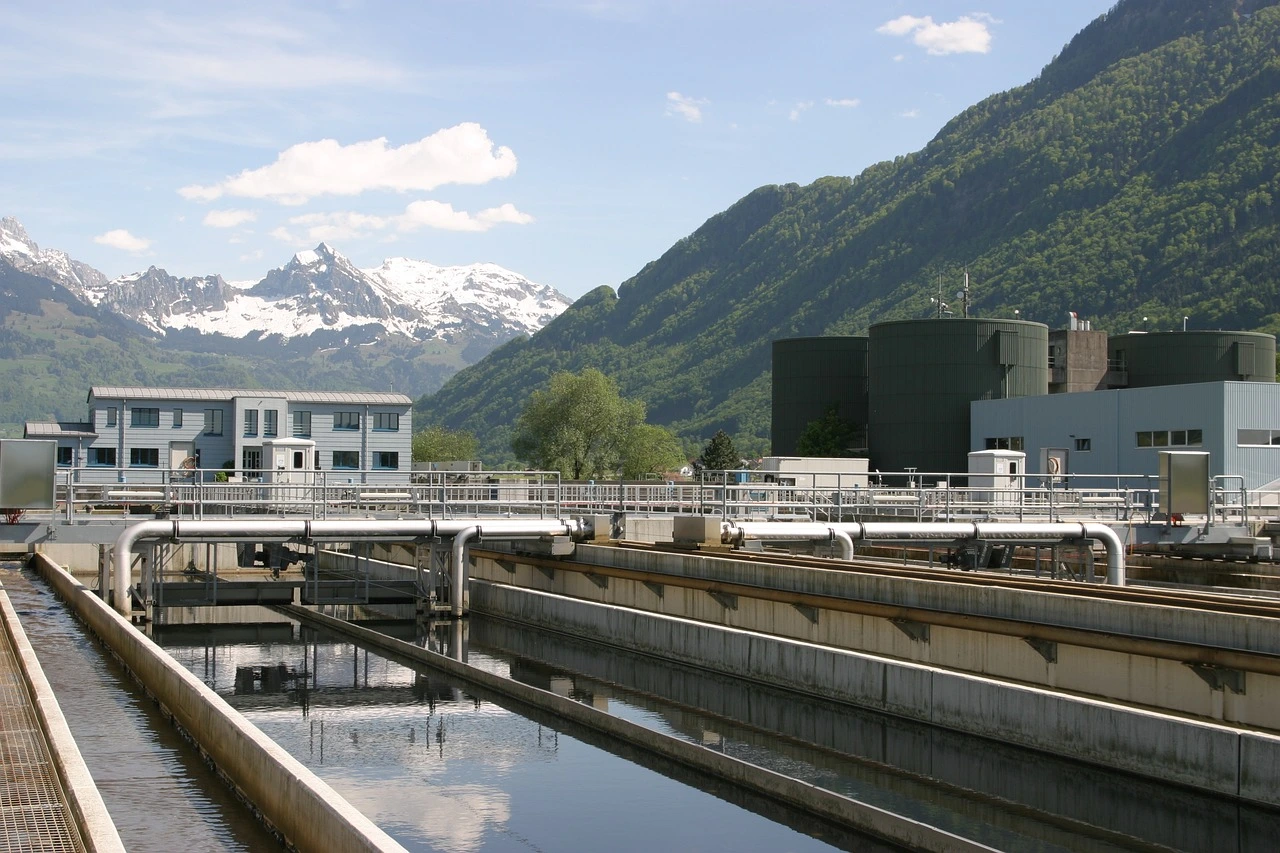
Eilat and Hadera are among the notable desalination plants in Israel. Eilat was one of the first desalination plants in Israel and was opened in the early 2000s. The subsequent addition of the Hadera desalination plant, Ashkelon desalination plant, and other desalination plants in Israel helped the country to ensure water security for its population.
The majority of the desalination plants are strategically located along the Mediterranean coast improving the production of desalination of sea water, wastewater, and brackish water. It acts as a primary source for seawater extraction simplifying the entire process of desalination.
List of Top 5 Largest Desalination Plants in Israel (By Capacity)
Project Name | Location | Capacity | Project Cost |
Sorek | Near the Shfden and Kibbutz Palmachim | 150 million cubic meters per annum | USD 400 Million |
Hadera | Near the "Orot Rabin" power station in Hadera | 127 million cubic meters per annum | USD 292 Million |
Ashkelon | Southern Industrial Zone in Ashkelon | 118 million cubic meters per annum | USD 212 Million |
Ashdod | Northern Industrial Zone in Ashdod | 100 million cubic meters per annum | USD 390 Million |
Palmachim | Palmachim Industrial Zone | 90 million cubic meters per annum | USD 180-200 Million (Estimated) |
Sorek Desalination Plant Project
Project Name | Sorek desalination plant project |
Location | 15 km South of Tel Aviv |
Commissioned in | 2013 |
Capacity | 150 million cubic meters per annum |
Built By | IDE Technologies and Hutchison Water |
Operated By | IDE Technologies and Hutchison Water |
The Sorek desalination plant is one of the largest seawater desalination plants, contributing about 20% of Israel's water requirement. It is situated 15 km south of Tel Aviv and produces potable water at reasonable prices. The use of 16-inch long special membranes in vertical vessels is unique to this project. This project holds a capacity of producing 150 million cubic meters per annum.
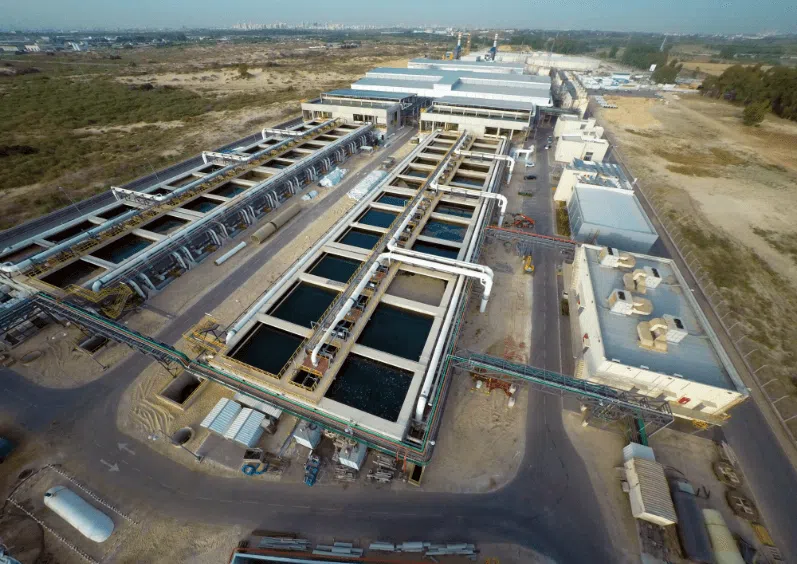
This desalination facility offers its desalinated water to Israel's water authority and was commissioned back in 2013. This project aims to reduce the marine, shoreline impacts through its pipe jacking method using large-diameter pipelines. The Sorek desalination project uses the popular SWRO (Seawater reverse osmosis).
The Sorek desalination plant is designed to prioritize energy efficiency through improvised filtration techniques and an optimized pre-treatment process. Additionally, it is equipped with a brine discharge pipeline that releases concentrated brine solution into the deeper layers of the ocean thereby avoiding ecological disruptions.
Sorek II desalination plant project
The Sorek II or Sorek B is an extension of the Sorek desalination plant. This project is one of the largest in the world and can produce 670,000 cubic meters of clean water per day. With advanced infrastructure, it sets a new record-low desalination water price in the world. It is located in Rishon LeZion, Israel, and will supply clean water to the state of Israel. This project is expected to be commissioned in 2024.
It is anticipated with a smart modular design with a sustainable desalination approach. Its key features include reducing carbon dioxide emissions through carbon capture techniques and using self-produced chemicals for the process. The desalinating technology used in this plant is RO (Reverse Osmosis).
40+ reviews
Find the Latest Israel Desalination Plant Projects
Gain exclusive access to our industry-leading database of Desalination Plant Projects opportunities with detailed project timelines and stakeholder information.
Collect Your Free Leads Here!
No credit cardUp-to-date coverage
Joined by 750+ industry professionals last month
Hadera Desalination Plant Project
Project Name | Hadera desalination plant project |
Location | North of Tel Aviv. |
Commissioned in | 2009 |
Capacity | 127 million cubic meters per annum |
Built By | H2ID and IDE Technologies |
Operated By | H2ID and IDE Technologies |
The Hadera desalination plant is located near the Mediterranean coast 50 km north of Tel Aviv. This project can produce 525,000 cubic meters of water per day. It is designed for smart energy consumption, and reduced chemical usage. The Hadera desalination plant is considered to be one of the major water sources in Israel.

The Hadera plant project is divided into eastern and western plants. Both the plants are well equipped with pre-treatment and high-pressure pump facilities. Additionally, an efficient energy recovery system along with special membrane assembly and post-treatment facilities are installed.
Initially, the plant was designed to produce 127 million cubic meters per annum, however, with frequent water shortages the production capacity was upscaled to 525,000 cubic meters per day. IDE technologies infused Pressure Exchanger devices are installed in both plants to reduce carbon dioxide emission levels by 2.3 Million tons per year. Additionally, it saves 60% of power consumption and operates at a 98% efficiency rate. This contributes to environmental preservation and ensures no negative impact on production quality levels.
Ashkelon Desalination Plant Project
Project Name | Ashkelon desalination plant project |
Location | Southern Industrial Zone in Ashkelon. |
Commissioned in | 2005 |
Capacity | 118 million cubic meters per annum |
Built By | OTV Veolia Group and IDE Technologies |
Operated By | OTV Veolia Group and IDE Technologies |
One of the largest plants in the world is the Ashkelon desalination plant in Israel. It was known for its advanced membrane-based desalination technology and huge capacity. Its high-efficiency level helped it to achieve the goal of the world’s lowest price for desalinated water. It was commissioned in 2005 and was built in the southern industrial zone in Ashkelon.
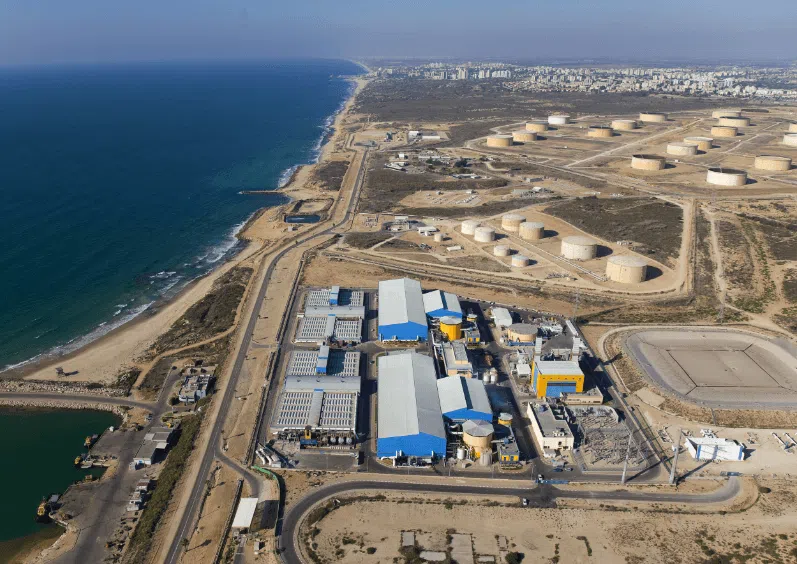
This project included several of Israel's desalination technologies such as seawater pumping, pre-water treatment, brine removal, and gas turbine power stations to fulfill power needs. The total project cost USD 212 Million. A unique plant layout includes 3 center design models. It consists of high-pressure pumps, membrane banks, and energy recovery devices. Its very own energy production and recovery devices with a capacity of 80 Million Watts support the high production level additionally, it generates revenue by selling excess electricity produced to the National grid.
The quality of desalinated seawater is increased through the process of RO (Reverse Osmosis). The production capacity in this desalination plant is 118 Million cubic meters per annum. Likewise, it produces around 118 million cubic meters per annum. The Ashkelon desalination plant contributes to about 15% of Israel’s drinking water. It was recognized and awarded by several industries for its low production cost and advanced membrane-based technology.
Ashdod Desalination Plant Project
Project Name | Ashdod desalination plant project |
Location | Mediterranean Coast |
Commissioned in | 2015 |
Capacity | 100 million cubic meters per annum |
Built By | Mekorot |
Operated By | Mekorot |
The Ashdod desalination plant project contributes about 1/6th of Israel’s total desalination output. It is located on the Mediterranean coast and can produce 100 Million cubic meters of water per annum. The Ashdod desalination plant is one of the reliable freshwater sources in Israel. This project was commissioned in 2015.
A few recent upgrades in the project include replacing electric pumps with gas-powered pumps to reduce energy consumption and maintain production efficiency. The Ashdod desalination plant is one of the largest seawater RO desalination plants in the world. Its sheer scale and cutting-edge technology make it a cornerstone in Israel's water desalination infrastructure, setting new standards for sustainable water management practices in the region. This plant's significant capacity and innovative approach underscore Israel's commitment to tackling water scarcity challenges head-on through advanced desalination solutions that leverage the abundance of seawater resources along its coastline.
Palmachim Desalination Plant Project
Project Name | Palmachim desalination plant project |
Location | Near the Kibbutz Palmachim |
Commissioned in | 2007 |
Capacity | 90 million cubic meters per annum |
Built By | Via Maris Desalination Ltd. |
Operated By | Via Maris Desalination Ltd. |
The Palmachim desalination plant project was built in southern Israel to fulfill the shortage of drinking water. It is located near the Kibbutz Palmachim. The project was built on a BOO (Build-Own-Operate) project delivery method. The project is currently run by Via Maris Desalination Ltd.
This project capacity is about 90 Million cubic meters per year. Likewise, a high volume of 90 million cubic meters per annum. It is widespread in 7.5 acres and is known for its immense high production capacity. Its best features include its low energy and chemical consumption and high efficiency levels maintaining high water quality standards. The Palmachim desalination plant provides its water to the Israel Water Authority.
It is best known for its contribution to Israel’s water resources planning. It is one of the major desalination plants in Israel and a major source of drinking water in Israel. The RO (reverse osmosis) desalination technology is used to achieve its water security goals. Seawater is passed through special membranes, separating salts behind and producing clean drinkable water.
Factors Contributing to the Rise of Desalination Plants in Israel
Israel emerged as one of the leaders in the desalination industry. There are various factors that contributed to the rise of Israel in the desalination industry.
Limited natural resources: Israel’s geographical location made it receive less rainfall leading to water shortages.
Investment in Research: Israel’s government financially invested in research about the desalination process and plants.
Drought and water scarcity: The drought period from 1998-2002 led to a call for action to actively promote large-scale seawater desalination plants in Israel.
Securing Future Generations: Israel’s security strategy aimed to build large-scale desalination plants along the coastline of the Mediterranean Sea.
Challenges to the Desalination Plant Industry in Israel
Israel is known for its large-scale desalination plants in the world. However, here are a few challenges posing a threat to the innovating industry.
High-energy consumption: The use of RO (Reverse Osmosis) at a large capacity is leading to high power consumption and greater carbon emissions.
Brine Disposal: The brine disposal after the desalination process can harm marine and coastline.
Impact on Public Health: The desalination process may remove salts along with essential minerals required for humans leading to negative health concerns.
Supply-Demand Mismatch: Israel depends majorly on desalination plants for its water requirements. Expanding the capacity to fulfill the water demand can be an expensive affair.
Conclusion
Israel's desalination technology emerged as a global leader by developing, building, optimizing, and producing clean water resources for its people. A few of its notable plant projects include Hadera, Sorek, Sorek II, Ashdod, Ashkelon, and Palmachim which contribute to the water supply of Israel. These desalination plant projects are a reliable source for the inhabitants of Israel for fresh drinking water. With continuous improvements and innovations in Israel's desalination strategy to overcome water scarcity and ensure sustainable and secure water sources for the future.
Connect with decision-makers of Desalination Plants projects in Israel for business opportunities.
Subscribe to Blackridge's Desalination Plants in Israel Database to get access to reliable and high-quality insights on upcoming, in-progress, and completed desalination plant projects across the world or in your desired geographical location.
Our user-friendly platform provides essential details, timely updates, key stakeholder contact information, and business opportunities tailored for engineering companies, industry professionals, investors, and government agencies.
Start a free demo to take your business to the next level!


Leave a Comment
We love hearing from our readers and value your feedback. If you have any questions or comments about our content, feel free to leave a comment below.
We read every comment and do our best to respond to them all.